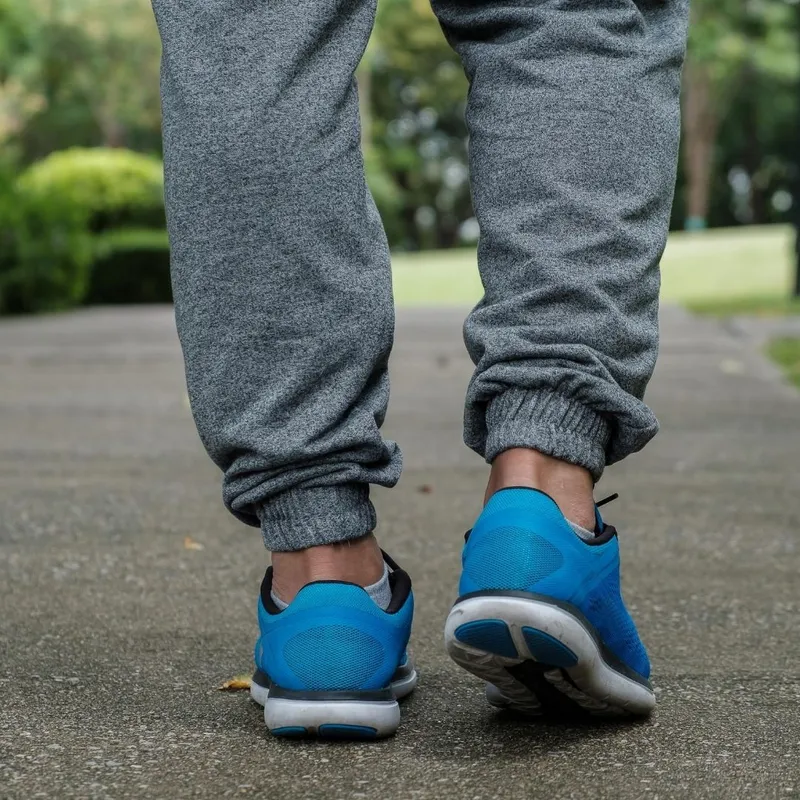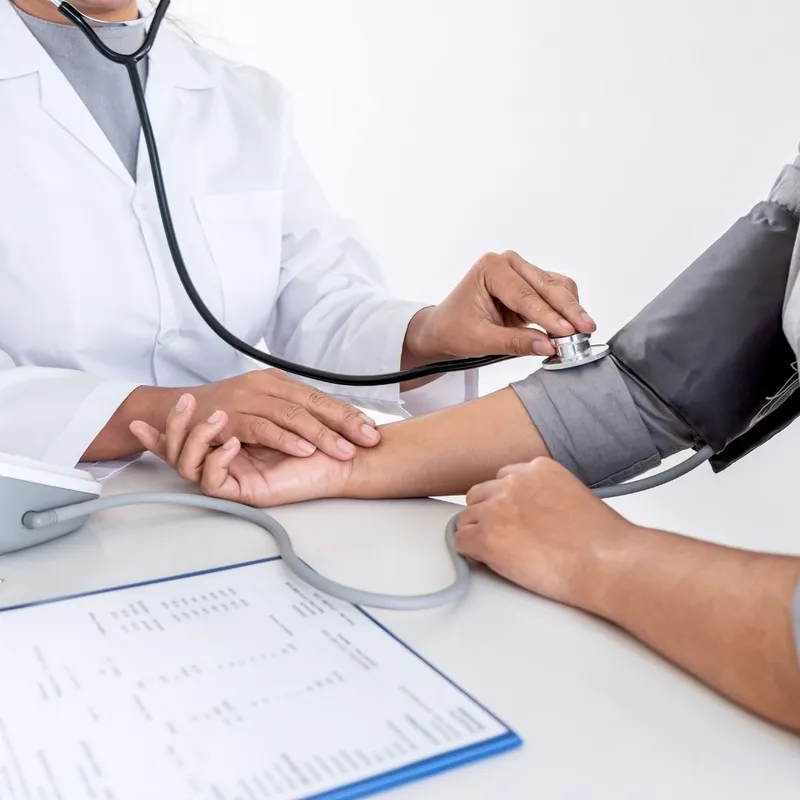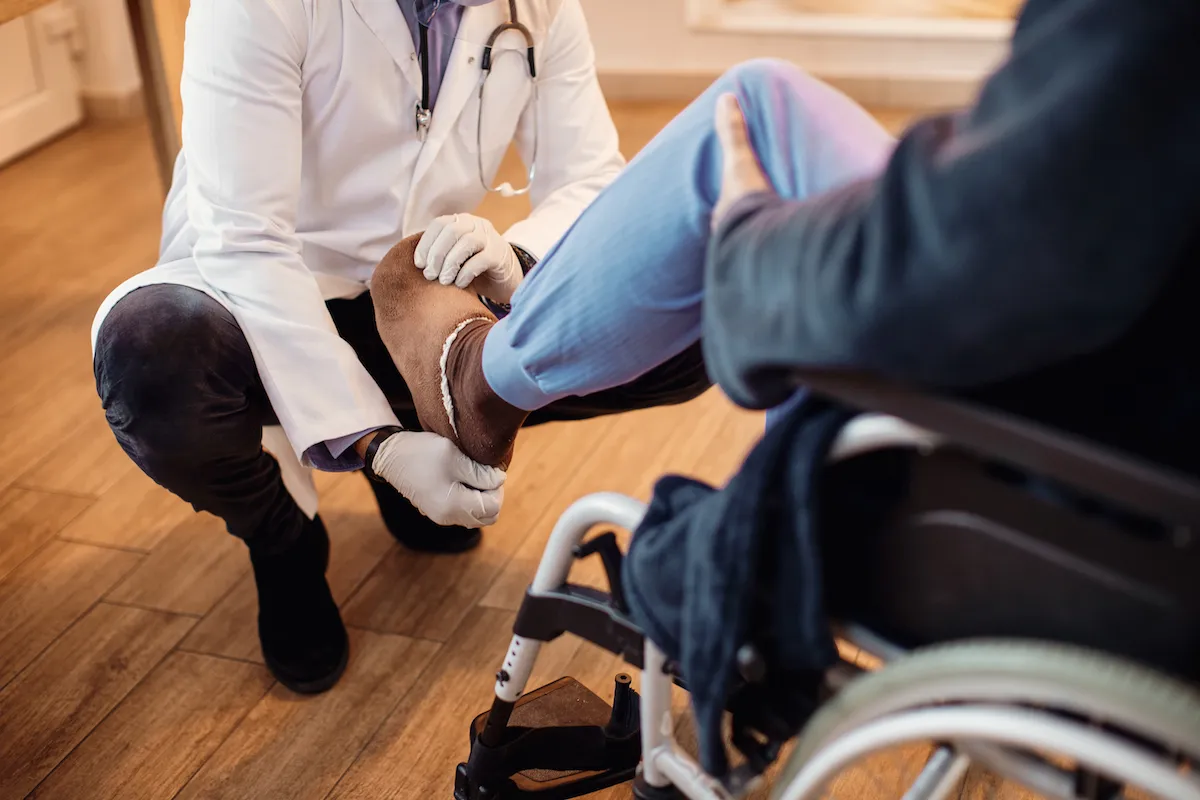
Peripheral artery disease (PAD) happens when plaque builds up in the arteries that carry blood to your legs and feet. Less blood gets through, so muscles and skin get less oxygen. It can cause leg pain with walking and slow-healing foot wounds, and in severe cases it can threaten a limb. It is also very treatable when caught.
Arteries, plaque and the legs
Arteries are the vessels that carry blood away from the heart. Over time, fat, cholesterol, calcium and other material can stick to their inner walls. This buildup is called plaque. As it grows, the inside of the artery narrows and stiffens.
When this happens in the arteries of the heart, it is called coronary artery disease. In the legs, it is called PAD. FCCI's vascular lab points out that plaque buildup is a contributing factor to both, which is why one disease can be a clue to the other.
Who is more likely to get PAD
Some things raise your risk. You cannot change all of them, but you can change several.
- Smoking or using tobacco
- Diabetes
- High blood pressure and high cholesterol
- Older age
- Heart disease or a history of stroke
Signs to watch
FCCI's vascular lab lists muscle cramps in the legs, leg pain, non-healing foot wounds, gangrene and cooler temperatures in the lower legs as symptoms that may lead to testing. Some people with PAD have no symptoms at all, which is one reason it gets missed.
Shiny skin, hair loss on the legs, weak pulses in the feet and toenails that grow slowly can also be clues your doctor checks during an exam.
How doctors confirm it
Your doctor may order a peripheral arterial duplex scan, which uses ultrasound to see narrow or blocked arteries, and a lower extremity physiologic study, which shows whether PAD is present and which vessels are affected. FCCI's accredited vascular lab in Jacksonville does both.
If a procedure may be needed, a peripheral angiogram in the cath lab lets the doctor see the leg arteries in detail using a thin tube and special X-ray.
How PAD is treated
Treatment aims to ease symptoms, protect your legs and lower your risk of heart attack and stroke. It often starts with quitting tobacco, regular walking, healthy eating and medicine. When blood flow must be restored, FCCI's outpatient cath lab offers peripheral revascularization using atherectomy devices, balloons and/or stents, and Shockwave lithotripsy for calcified blockages.
FCCI has a long track record in leg artery care, including being the first in Northeast Florida to perform pedal access for chronic limb ischemia in 2008.
Why acting early matters
PAD tends to progress slowly, which gives you time to act. The earlier you know, the more options you have and the better chance you have to protect your legs and heart.
A record of firsts in leg artery care
FCCI was the first in Northeast Florida to use pedal access for chronic limb ischemia (2008), and in 2013 it joined the University of Florida in Gainesville among the first in the state to use drug-eluting leg stents that help prevent repeat blockages.
In 2016 Dr. Vaqar Ali performed the Pantheris procedure, the first in Florida and second in the country, with a goal of fewer PAD amputations. In 2018 Dr. Yazan Khatib brought Shockwave Medical's IntraVascular Lithotripsy to Northeast Florida first. Put simply, there are more ways to reach tough blockages without a major bypass, and your doctor will explain which approach, if any, suits you.
If this sounds familiar
Plenty of people with PAD shrug off the early signs as getting older. If your legs have been sending you messages, write down what you notice and when, gather your medicines and supplements, and mention diabetes, smoking, kidney disease or past heart and leg procedures when you come in.
Call 904.493.3333, or 904.644.0092 in Orange Park and 386.325.2836 in Palatka, or use the booking page. Nothing here replaces a real exam, and if a leg suddenly turns cold, pale or very painful, call 911.